Blog
Insights and tips from the Soillight community
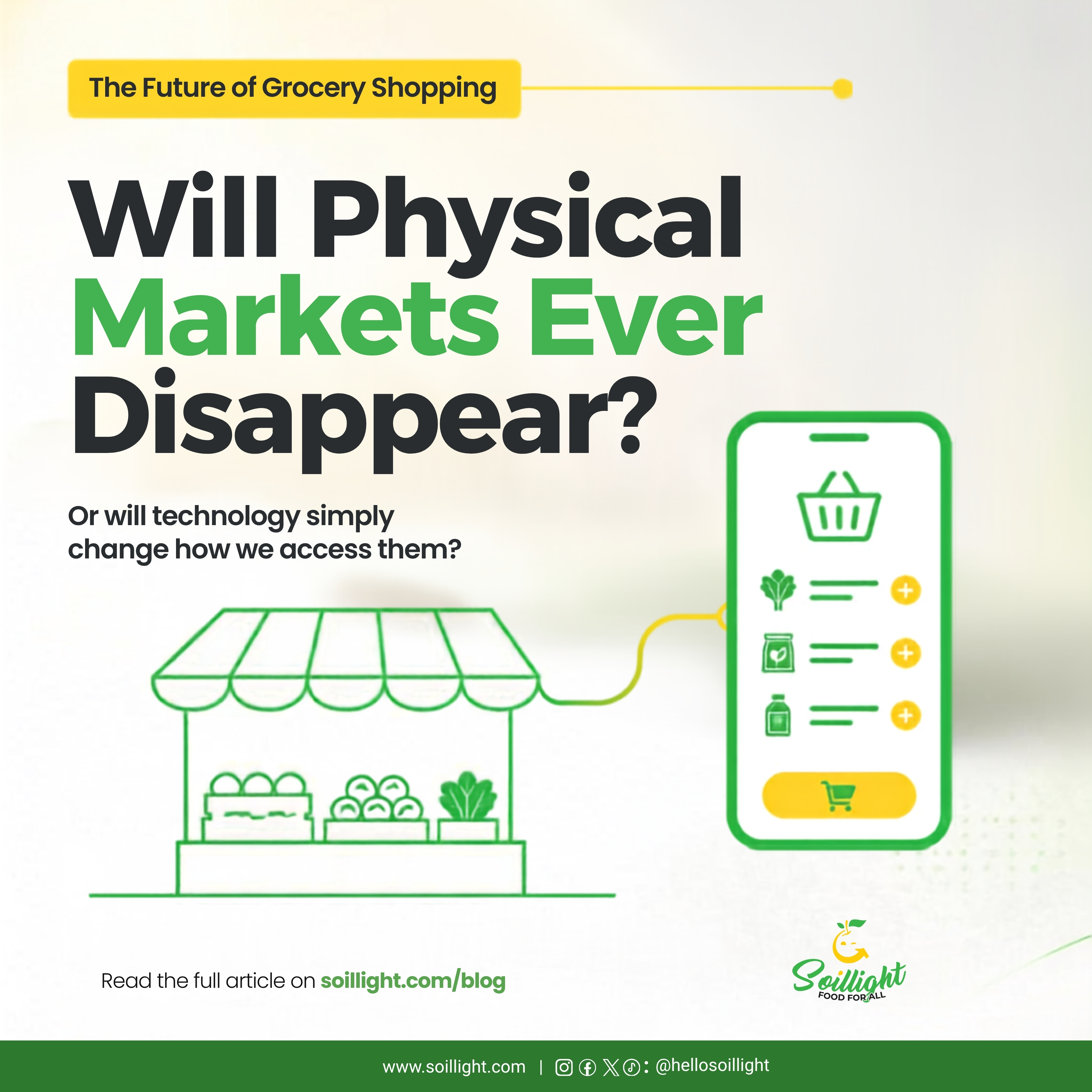
Will Physical Markets Ever Disappear? Or Will Technology Simply Change How We Access Them?
Will Physical Markets Ever Disappear? Or Will Technology Simply Change How We Access Them?
It's a question that comes up every time a new form of convenience enters daily life: will the old way disappear completely?
People asked it about bank branches when mobile banking arrived. They asked it about cinemas when streaming took off. And now, as digital grocery options grow across Nigeria, people are starting to ask it about the market.
Will physical markets ever really disappear?
Why the answer is probably no
Nigerian markets are not just places to buy food, they're economic ecosystems. Millions of traders, porters, transporters, and small businesses depend directly on market foot traffic for their livelihood. Markets are also social and cultural institutions; they're where relationships are built, where prices are negotiated face-to-face, and where trust is earned over years, not app ratings.
Technology has disrupted plenty of industries, but it rarely erases something that deep-rooted. What it tends to do instead is change how people access it.
What's more likely to happen
Rather than disappearing, physical markets are more likely to become one option among several; still essential for many, still irreplaceable for certain goods and experiences, but no longer the only way to shop.
We're already seeing early signs of this shift:
- Traders extending their reach through WhatsApp and social media, taking orders beyond just walk-in customers.
- Growing demand for delivery and pre-selected grocery bundles, especially among busy professionals and families.
- A generation of shoppers who value speed and predictability as much as price.
The market isn't being replaced. It's being extended.
The role technology can play Technology's real opportunity here isn't to compete with the market, it's to remove the friction around it. The traffic. The wasted time. The uncertainty of "will they have what I need today." Done right, technology doesn't take the market away from people; it brings the best of the market closer to them.
That's the future we think is coming, and it's the one Soillight is building toward: not a world without markets, but a world where accessing what the market offers doesn't have to cost you your whole Saturday.
The bigger picture Markets have survived colonization, recessions, and decades of change already. They're not going anywhere. But how Nigerians reach them; that's the part actively being rewritten right now.
What do you think will physical markets always have a place, or is a fully digital grocery future closer than we realize?
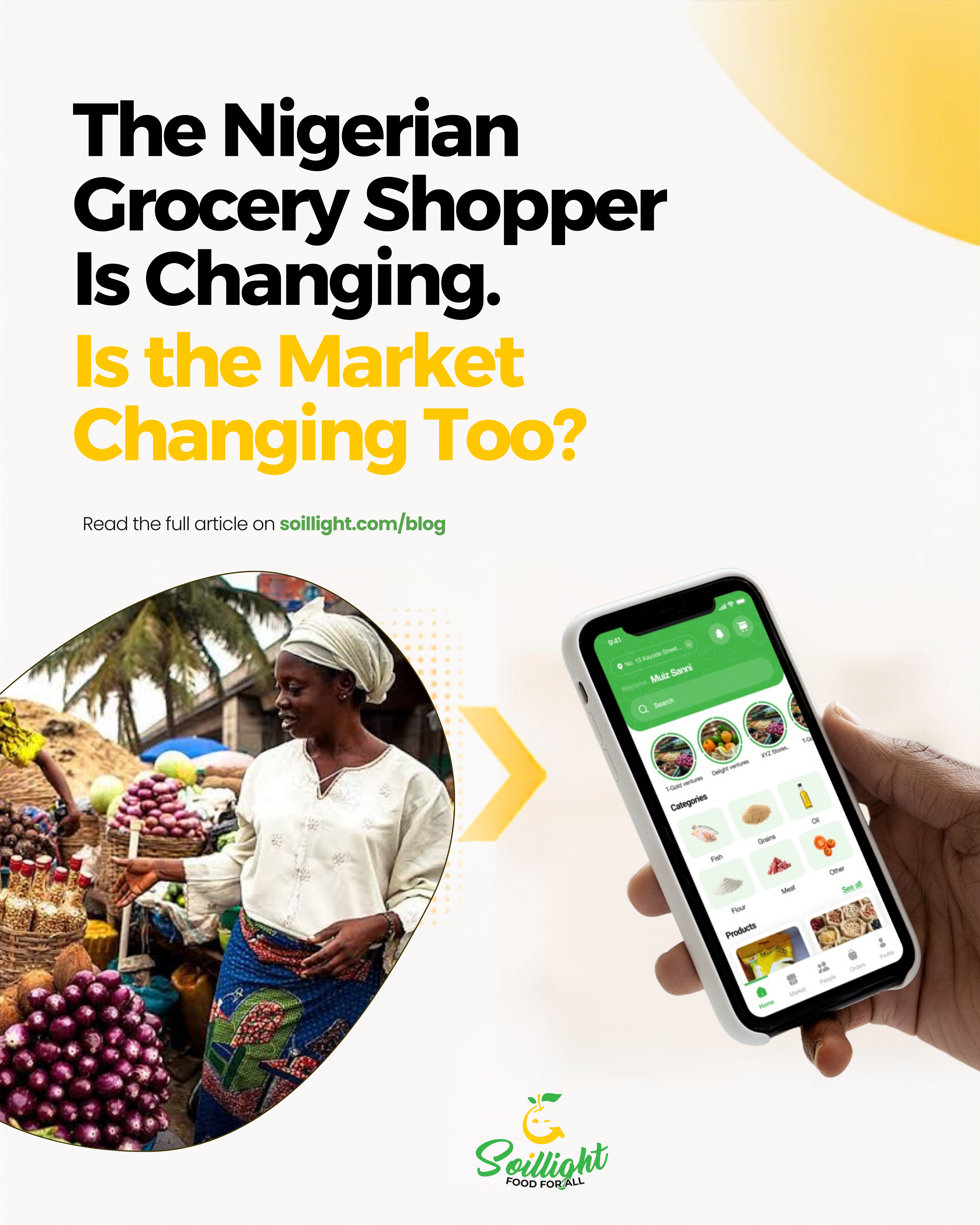
The Nigerian Grocery Shopper Is Changing. Is the Market Changing Too?
The Nigerian Grocery Shopper Is Changing. Is the Market Changing Too?
The Nigerian grocery shopper of 2026 doesn't look like the shopper of ten years ago. She's busier. She's more connected. She expects more not because she's less loyal to tradition, but because her life simply runs differently now. That shift in expectation is exactly why we built Soillight around the sellers she already trusts, not around replacing them.
The question worth asking isn't whether the shopper has changed. That much is obvious. The real question is: is the market keeping up?
How the shopper has changed
- She's working longer, harder, and later. More Nigerians especially in cities are juggling full-time jobs, side hustles, and family responsibilities, leaving less room for a leisurely trip to Bodija or Ketu.
- She's mobile-first. Smartphones now account for over 80% of online orders in Nigeria, and social platforms have become genuine checkout venues, not just places to browse.
- She compares experiences, not just prices. A shopper who can track a ride on a map or a delivery in real time starts to expect that same visibility from her grocery run — something a physical market, by nature, can't offer.
- She values her time differently. Time has become a currency people guard more carefully, and shopping habits are one of the first places that shows up.
Has the market changed with her?
In some ways, yes. More traders at markets like Mile 12 and Oyingbo now take transfers instead of insisting on cash. Some sellers have built loyal customer bases on WhatsApp, taking orders directly from regulars. Nigeria's social commerce transaction value alone is projected to nearly double from about $2.04 billion in 2025 to $3.96 billion by 2030; proof that sellers are already meeting shoppers where they are. Markets have always been adaptive; that's part of what's kept them alive for generations.
But structurally, the market experience itself; the travel, the crowd, the unpredictability of finding what you need hasn't changed much at all. And that gap, between a shopper who has changed and a system that mostly hasn't, is exactly where new solutions are being born.
Why this gap matters
When the way people live changes faster than the systems built to serve them, something has to give. Sometimes that means the system adapts. Sometimes it means people start looking elsewhere. For grocery shopping, we're watching both happen at once; traditional markets evolving where they can, and new digital options growing to meet the parts they can't reach.
Soillight exists in that gap- not to erase the market, but to let today's shopper buy directly from real market sellers, follow their stories, and shop the way she actually lives now.
Do you think the market is evolving fast enough for how Nigerians live today or is it falling behind? Meet the market sellers already on Soillight and shop with them without leaving your street.
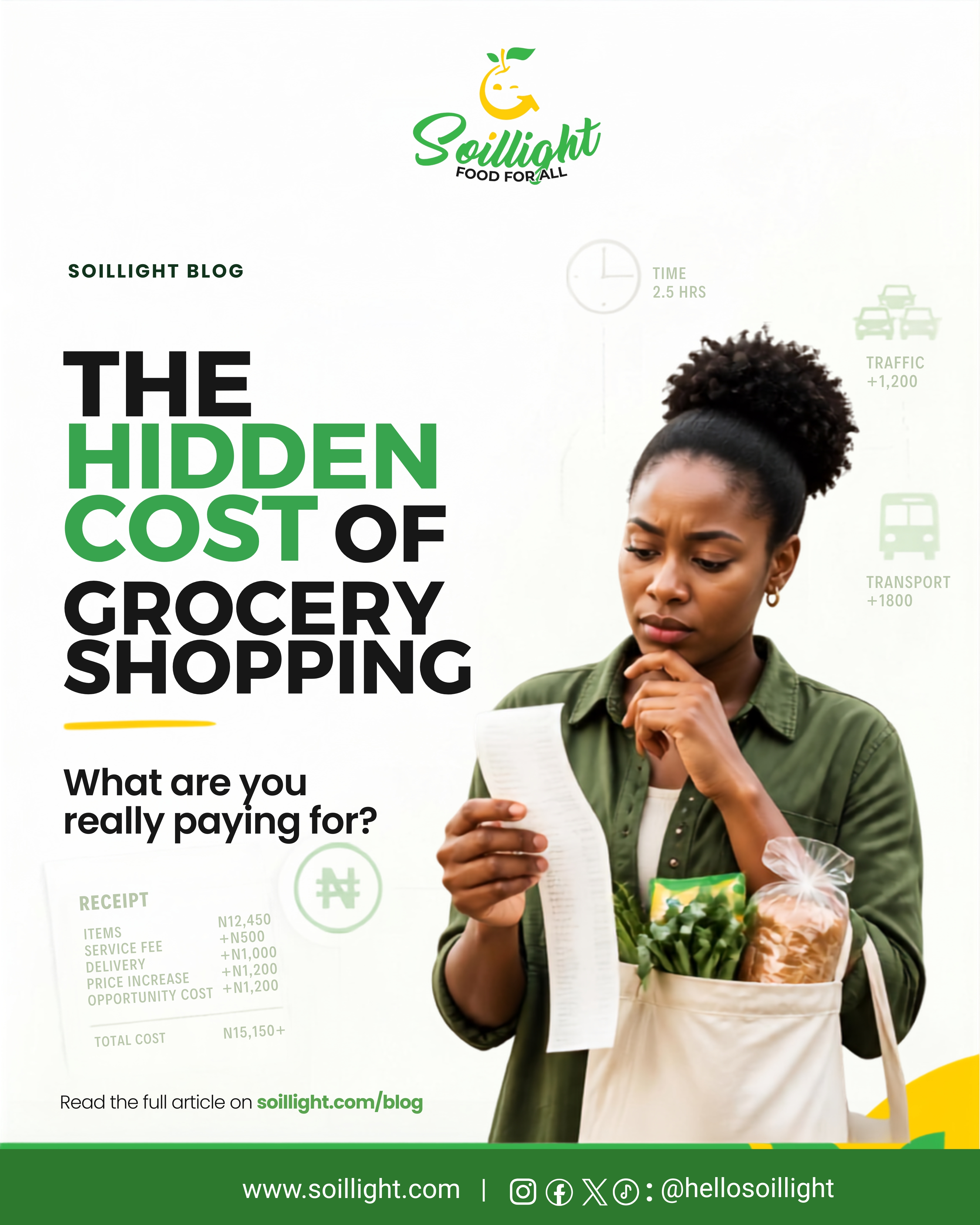
The Hidden Cost of Grocery Shopping: What Are You Really Paying For?
The Hidden Cost of Grocery Shopping: What Are You Really Paying For?
Ask someone how much they spent on groceries this week, and they'll usually give you a number that only covers what's in the bag. What it almost never includes is everything it took to get that bag home from Ketu, Mile 12, or Bodija.
That's the part nobody puts on a receipt and it might be the most expensive part of the whole trip. It's also exactly the gap platforms like Soillight are built to close, by bringing trusted market sellers to you at prices close to what you'd pay in person.
The costs that don't show up on the receipt
- Transport.
Bus fare, fuel, parking fees, or paying for an okada when traffic locks up the road to Oyingbo; getting to and from the market isn't free. A Danne Institute survey found public transport users spend an average of roughly ₦359 a day, or close to ₦1,800 a week, just navigating traffic to run errands like this.
- Time.
Time has a price, even when nobody's paying you directly for it. Two or three hours spent walking through Mile 12 or Wuse Market on a Saturday is two or three hours not spent resting, working a side hustle, or being with family. With Lagos commuters losing close to 30 hours a week to traffic on average, the "free" market trip starts looking very expensive.
- Traffic and stress.
Anyone who has tried to leave Mile 12 at midday knows this cost intimately. It's not just anecdotal — a Nigerian Institute of Transport Technology study found that over 70% of Lagos commuters report high stress levels linked directly to traffic congestion. That stress bleeds into decision-making, patience, and even the impulse purchases people make just to get out faster.
- Impulse spending.
Markets are designed, whether intentionally or not, to keep you looking. More stalls seen means more things bought that weren't on the list. That "small extra" adds up fast, and it's rarely accounted for in anyone's grocery budget.
- Opportunity cost.
This is the quiet one. Every hour spent shopping is an hour not spent doing something else with value — rest, income-generating work, or time with people who matter. It doesn't show up in Naira, but it's real.
Why this matters
When people compare "market shopping" to "ordering online," they usually compare only the price of the items and market prices often win that narrow comparison. But that's an incomplete picture. Once you add transport, time, stress, and impulse spend, the real cost of a grocery run looks very different from the number on the receipt.
This isn't an argument that the market is a bad deal. It's an argument that Nigerians deserve to see the full cost of their choices and to have an option, like ordering through Soillight or spreading a larger shop over time with Buy Now, Pay Later, that lets them keep the market's prices without absorbing every one of its hidden costs.
The real question
The next time you tally up a grocery run, it's worth asking: what did this actually cost me in Naira, in time, and in energy? Because the cheapest bag of tomatoes isn't always the cheapest trip.
What's the hidden cost you feel the most — the traffic, the time, or the impulse buys?
Curious how much a market run really costs you? See how Soillight prices compare without the transport, the traffic, or the time.
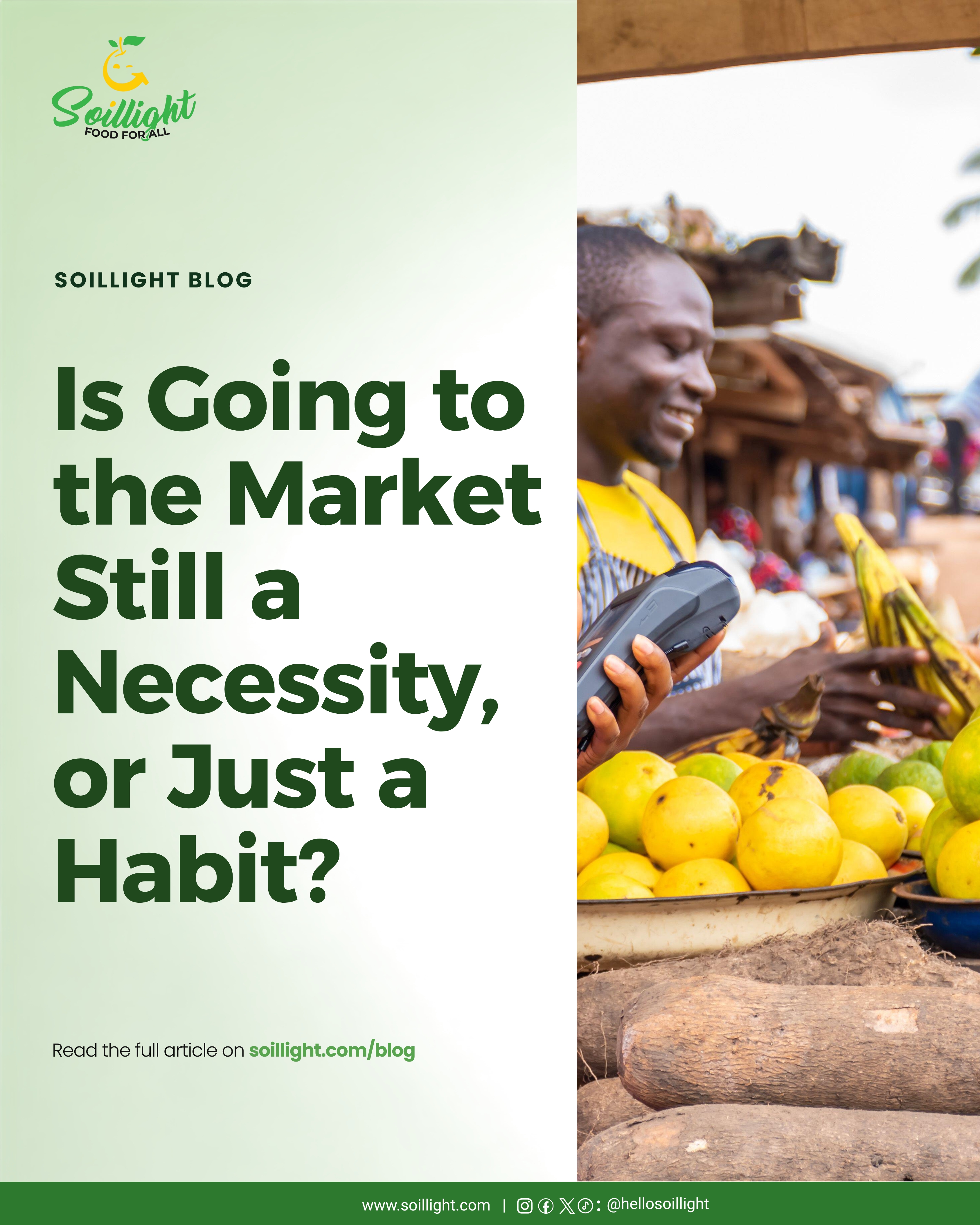
Is Going to the Market Still a Necessity, or Just a Habit?
Is Going to the Market Still a Necessity, or Just a Habit?
There was a time when going to the market wasn't a choice, it was the only way to eat. If you needed pepper, you went to Mile 12. If you needed rice, you found a bag seller at Oyingbo or Ketu you trusted, and haggled until your voice went hoarse. The market was where the week began, whether you liked it or not.
That time hasn't fully passed. But it's quietly changing shape.
Today, a growing number of Nigerians still go to the market every week not because there's no other way to get groceries, but because it's what they've always done. It's muscle memory. It's tradition. For some, it's even therapy: the noise, the negotiation, the familiar faces at the same stalls. For others, it's an obligation they'd happily hand off if something better came along.
So which is it — necessity, or habit?
The honest answer is: it depends who you ask, and increasingly, it depends on what else is available to them. That's precisely why platforms like Soillight are emerging not because markets have failed, but because shoppers' expectations, schedules, and definitions of convenience have changed faster than the weekly market run has.
What's actually changed
Three things have quietly shifted the ground under the traditional market run:
1. Time has gotten more expensive.
Lagos traffic alone can turn a "quick market run" into a half-day event. Research from the Danne Institute puts the average Lagos commuter at roughly 2.21 hours in traffic every day and a Businessday analysis found commuters lose close to 30 hours a week to gridlock. For someone working a 9-to-6 with a Mile 12 or Bodija run bolted onto either end of the day, the market isn't just a stop; it's a tax on the only free hours they have.
2. Trust has started to travel.
For a long time, people insisted on physical markets because they didn't trust anyone else to pick their tomatoes or weigh their rice honestly. That trust is no longer exclusive to the market woman you've known for ten years at Ketu or Wuse, it's being rebuilt online, one good delivery at a time, especially where sellers show their faces and their stories rather than hiding behind a logo.
3. Convenience has become a value, not a luxury.
A decade ago, paying to have groceries delivered felt indulgent. Today, Nigeria's e-commerce market is projected to grow from roughly $9.35 billion in 2025 to $10.49 billion in 2026 and grocery is one of the categories fueling that shift, as more dual-income households treat convenience as something to budget for, not something to feel guilty about.
The habit is still strong for now
None of this means the market is disappearing. Nigerian markets are deeply social, economically vital, and culturally significant in ways that a delivery app can't fully replace. Millions of traders depend on foot traffic. Millions of shoppers still prefer to see, touch, and haggle before they buy.
But "still strong" and "unquestioned" are different things. The generation making shopping decisions today is the first to genuinely ask: does this have to be the way I do it?
Where Soillight fits into the conversation
We're not here to say the market is outdated; it isn't. We're here because we think Nigerians deserve the choice: the market when you want the experience, and a faster, reliable alternative —one that connects you directly with real local market sellers at prices close to what you'd pay in person when you don't have three hours to spend on it. That's the shift we're watching, and the one we're building for.
The answer to "necessity or habit" may say more about how your life has changed than about how the market has.
See how Soillight connects you to real market sellers, without the trip — explore the app.
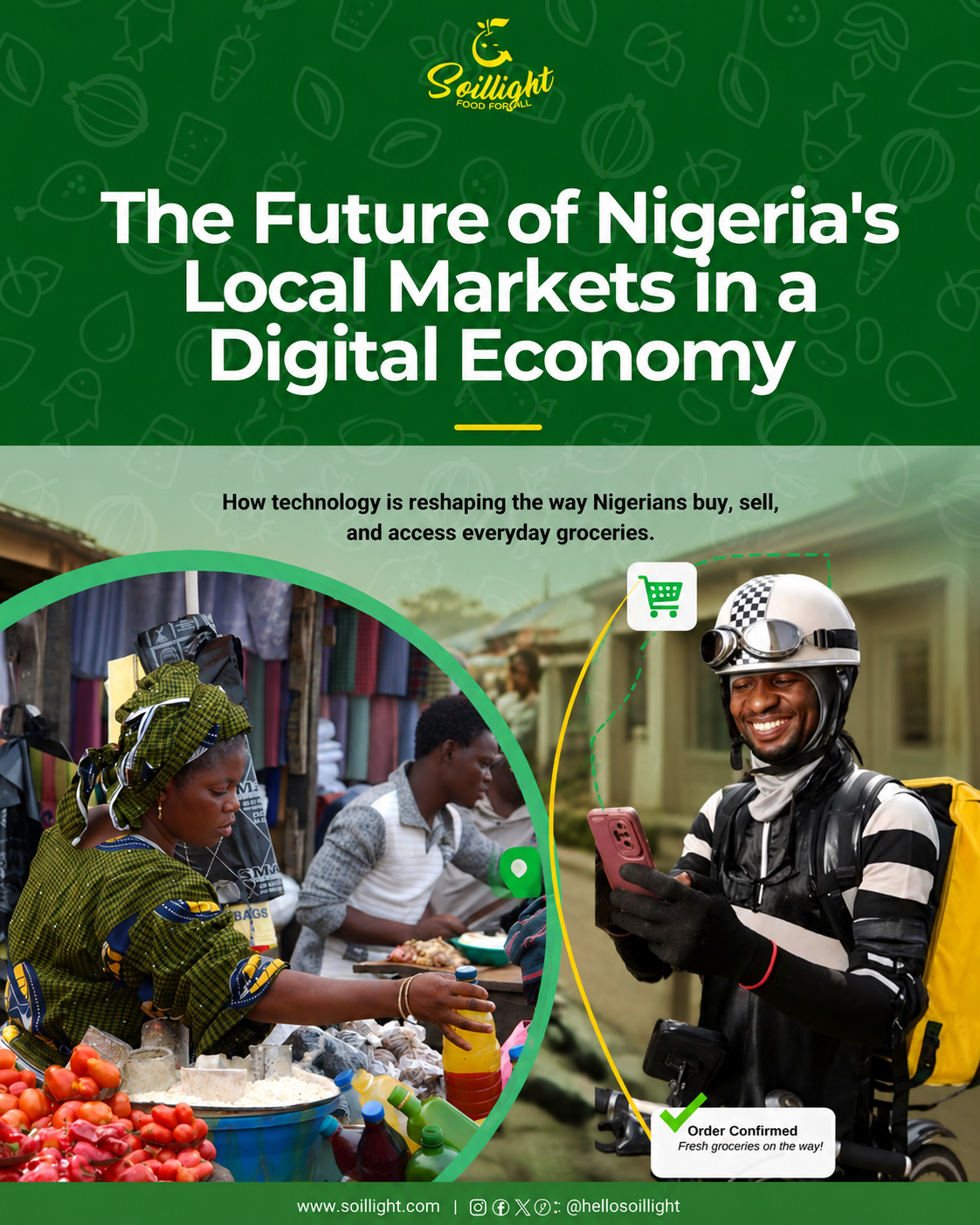
The Future of Nigeria's Local Markets in a Digital Economy
The Future of Nigeria's Local Markets in a Digital Economy
Nigeria's local markets have always been more than places to buy food; they're centers of community, culture, and commerce. As e-commerce grows across the country, a natural question arises: what happens to traditional markets in a digital-first future? The answer isn't replacement, it's evolution.
Nigeria's Digital Economy Is Growing Faster Than Almost Anywhere in Africa
Nigeria's e-commerce market is projected to grow from roughly $10.49 billion in 2026 to $18.68 billion by 2031, at a compound annual growth rate above 12%. Internet penetration has climbed past 100 million users, and mobile devices now account for the overwhelming majority of online activity in the country. This isn't a fringe trend, it's a structural shift in how Nigerians discover, evaluate, and buy things, including groceries. For local market sellers, this growth represents an enormous, largely untapped opportunity provided they have a way to plug into it.
Markets Aren't Disappearing — They're Expanding Digital platforms aren't designed to replace physical markets; they're designed to extend their reach. A trader who once served only walk-in customers can now reach buyers across an entire city, without giving up their physical stall. The stall remains the foundation; the digital layer simply removes the ceiling on how many customers that stall can serve.
Visibility Was Always the Biggest Barrier for Sellers
Many sellers offer excellent products but are limited by foot traffic alone. Digital marketplaces solve this by giving traders online visibility, meaning quality and reputation not just location, determine how much business they can do. A seller three streets back from the main market road can now compete on equal footing with one on the busiest corner.
Technology Strengthens the Local Food Supply Chain
When more customers order directly from local sellers, it creates steadier demand for traders, farmers, and suppliers throughout the food ecosystem. This matters enormously given the scale of Nigeria's post-harvest losses: the Ministry of Agriculture and Food Security estimates losses of 50–60% for tubers, fruits, and vegetables, and roughly N3.5 trillion annually across all food categories — a figure that exceeds Nigeria's entire five-year federal agriculture budget. Steadier, more predictable demand through digital channels can help reduce the overproduction-and-spoilage cycle that drives much of this loss.
Digital Trust Is the New Market Reputation
In physical markets, trust is built through years of face-to-face relationships. Online, that trust is built through verified profiles, ratings, and consistent delivery quality, a digital version of the same reputation traders have always relied on. This transition doesn't erase the relational trust that Nigerian markets are known for; it simply gives that trust a new, discoverable format.
Challenges Still Facing Nigeria's Digital Market Transformation
This shift isn't without real obstacles. Informal addressing systems and urban congestion inflate last-mile delivery costs in cities like Lagos by as much as 30%, according to industry estimates. Broadband and reliable connectivity also remain uneven outside major urban centers, which slows adoption in some regions. And for many older or less tech-familiar traders, the biggest barrier isn't willingness; it's simply not knowing where to start.
None of these challenges are unsolvable, but they explain why digital transformation is happening gradually, market by market and seller by seller, rather than overnight. Platforms that invest in onboarding support and simple, low-friction tools for sellers are the ones most likely to close this gap faster.
What This Means for Nigeria's Retail Future
The future of food retail in Nigeria is both local and digital. Traditional markets remain essential to the culture and economy, but technology is giving sellers new tools to compete, grow, and reach customers who may never have found their stall otherwise. Platforms that keep local sellers not anonymous warehouses at the center of the transaction are best positioned to lead this shift responsibly.
Key Takeaways
- Nigeria's e-commerce market is growing above 12% annually, creating a major growth opportunity for local sellers who go digital.
- Digital platforms extend market reach rather than replacing physical stalls; sellers keep their in-person business while adding online customers.
- Visibility, not just location, increasingly determines a seller's success once they're online.
- Nigeria's food supply chain loses an estimated ₦3.5 trillion annually to post-harvest waste; steadier digital demand can help reduce this.
- Online ratings and verified profiles are becoming the digital equivalent of the trust traditionally built face-to-face in markets.
- The future of Nigerian retail blends both worlds: local sellers, digital reach.
FREQUENTLY ASKED QUESTIONS
Will online grocery platforms replace physical markets in Nigeria? No — platforms like Soillight are built to extend market sellers' reach, not replace their physical presence.
How does digital commerce help local traders specifically? It increases visibility beyond foot traffic, helping sellers reach more customers and generate more consistent orders.
Why does this matter for Nigeria's economy? Stronger local sellers support farmers, suppliers, and surrounding small businesses contributing to broader economic growth.
Do sellers need technical skills to join an online marketplace? Most platforms are designed to be simple to use, requiring only a smartphone and basic familiarity with messaging or app-based ordering.
How is trust established for a seller who has no online history yet? New sellers typically build trust gradually through verified onboarding, early customer reviews, and consistent order fulfillment.
Does going digital change how much sellers earn per item? Not directly — sellers set their own prices; digital platforms primarily increase order volume by expanding their customer reach.
Is this shift unique to Nigeria, or happening across Africa? Similar trends are emerging across Sub-Saharan Africa, though Nigeria's large population and fast-growing e-commerce sector make it one of the continent's most significant markets for this shift.
Are you a local market seller?
Bring your stall online and reach customers across your city. Join Soillight as a seller.
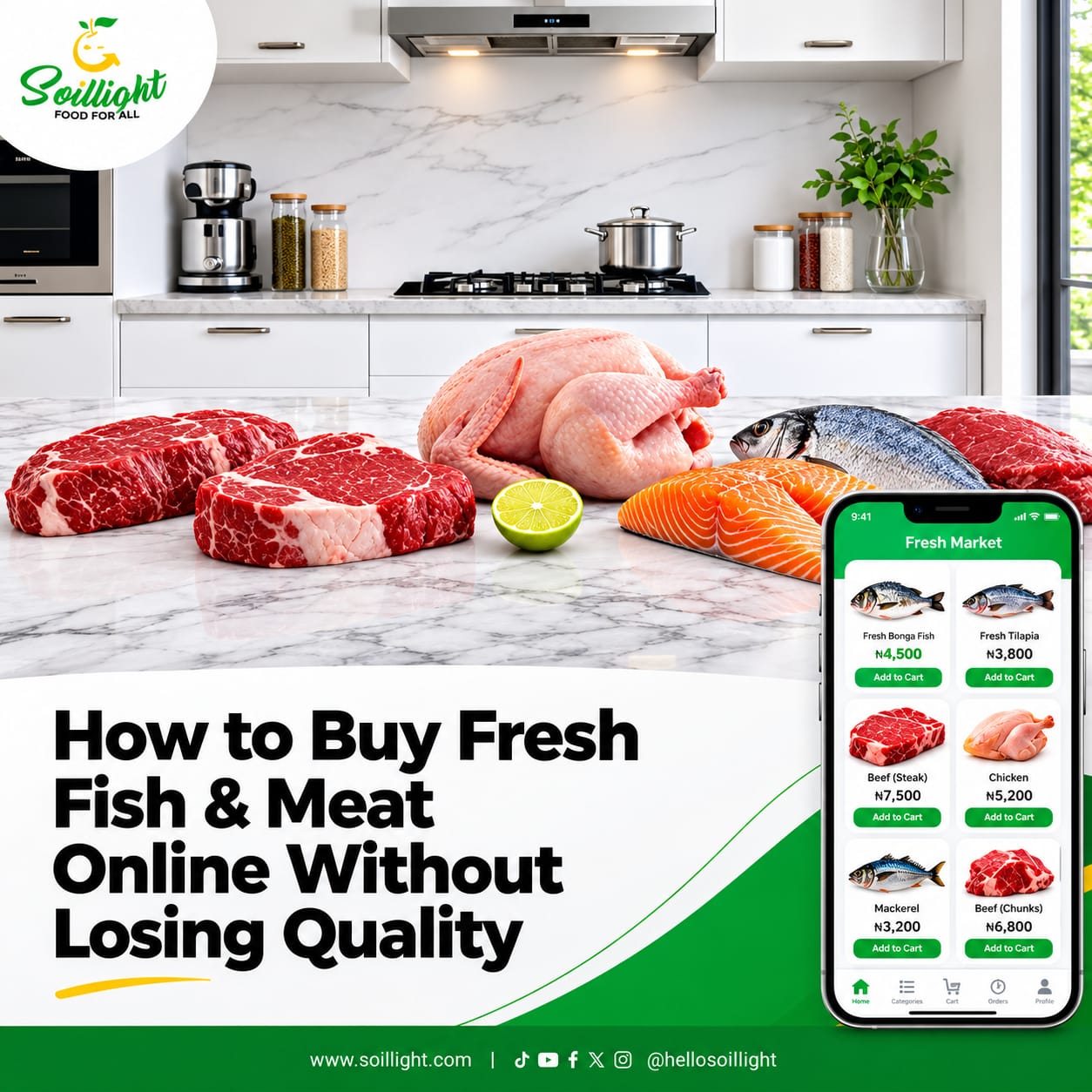
How to Buy Fresh Fish and Meat Online Without Losing Quality
Fish and meat are two of the trickiest items to buy online; freshness matters, and most people are used to inspecting, smelling, and choosing these items in person. But with the right approach, you can order fresh fish and meat online in Nigeria with total confidence. Here's how, and why it matters more than most shoppers realize.
WHY FRESHNESS IS HARDER TO GUARANTEE FOR FISH AND MEAT
Fish and meat spoil faster than almost any other grocery category, and Nigeria's supply chain infrastructure makes this especially challenging. According to Nigeria's Ministry of Agriculture and Food Security, post-harvest loss for fish sits at around 20%, driven largely by inadequate cold storage and delays between catch or slaughter and final sale. That's a meaningful share of product lost before it ever reaches a plate and it's exactly why the seller and platform you choose matter so much when shopping online.
1. Buy From Verified Sellers: The single biggest factor in online freshness is who you're buying from. Soillight only connects customers with verified local market sellers who have an established reputation for quality, the same traders trusted by in-person shoppers for years. Verification typically includes confirming the seller's market stall, sourcing practices, and delivery track record before they're listed on the platform.
2. Check Seller Ratings and Reviews: Reviews from other customers are one of the best freshness indicators available online. Look for sellers with consistent positive feedback specifically on product quality and delivery condition, not just speed before placing an order. A seller with fast delivery but inconsistent freshness reviews is a bigger risk than one with slightly longer delivery windows and strong quality feedback.
3. Order for Same-Day or Next-Day Delivery: Freshness is time-sensitive, especially for fish and meat. Whenever possible, choose delivery windows that get your order to you the same day it's sourced, minimizing the time between market and kitchen. The shorter that window, the closer you are to a market-fresh experience.
4. Pay Attention to Packaging: Proper packaging keeps fish and meat at safe temperatures during transit. Sellers on trusted platforms use insulated or chilled packaging to preserve quality from pickup to delivery. If a seller's listing doesn't mention cold-chain packaging, it's worth asking before you order especially for longer delivery distances.
5. Start Small if You're New to a Seller: If you're trying a new seller for the first time, order a smaller quantity to assess freshness and packaging quality before committing to bulk orders. This lets you evaluate quality risk-free before relying on that seller for a larger household or event order.
COLD-CHAIN BASICS EVERY ONLINE SHOPPER SHOULD UNDERSTAND
“Cold chain” simply refers to the unbroken sequence of refrigerated or insulated handling from source to delivery. In Nigeria, gaps in this chain at the market stall, during transport, or at the final delivery step are the leading cause of spoilage for perishable proteins. Platforms that standardize packaging and delivery windows across their seller network are directly addressing the weakest links in that chain.
Common Mistakes to Avoid When Buying Fish or Meat Online: Even with a trustworthy platform, a few avoidable mistakes account for most bad experiences with online fish and meat orders:
- Choosing the cheapest listing without checking seller reviews; price alone doesn't indicate freshness.
- Ignoring delivery windows and letting an order sit too long before refrigerating or cooking it.
- Placing a large, unfamiliar bulk order before testing a seller with a smaller trial purchase.
- Overlooking packaging details in a listing; always confirm insulated or chilled delivery for these categories specifically.
Avoiding these mistakes is usually enough to make online fish and meat shopping as reliable or more reliable than an unfamiliar market stall.
Why This Matters: Fresh food delivery only works if trust is built into every step from the seller's stall to your doorstep. That's why Soillight puts verified local sellers, not anonymous suppliers, at the center of every fish and meat order.
Key Takeaways
- Fish and meat are Nigeria's highest-risk grocery categories for spoilage; roughly 20% of fish is lost post-harvest nationally.
- Seller verification is the single most important factor for online freshness; more important than price or delivery speed alone.
- Reviews focused on quality and delivery condition are more reliable freshness signals than star ratings alone.
- Same-day or next-day delivery windows minimize the time between sourcing and your kitchen.
- Insulated or chilled packaging is essential; ask about it if a seller listing doesn't mention it.
- Ordering a small trial quantity is the safest way to evaluate a new seller before a bulk order.
FREQUENTLY ASKED QUESTIONS
Can I really trust fish and meat bought online? Yes, as long as you buy from verified sellers on a platform that vets its traders like Soillight does with its local market partners.
How is freshness maintained during delivery? Sellers use insulated or chilled packaging, and orders are matched with prompt delivery windows to reduce time between sourcing and drop-off.
What if I'm not satisfied with the quality? Reputable sellers and platforms typically have a feedback or resolution process; always check the platform's policy before ordering.
Is frozen or fresh better when buying meat online? Fresh is generally preferable for immediate use, while frozen options can offer more flexibility for storage; check each listing for how the product was handled.
How do I know if a seller uses proper cold-chain packaging? Check the product listing for packaging details, or look at customer reviews and photos that mention delivery condition.
Can I order fish and meat in bulk for events? Yes, but it's best to first order a small trial quantity from a new seller to confirm quality before placing a larger bulk order.
What's the difference between market-bought and online-bought freshness? With a verified seller and proper cold-chain packaging, online freshness can closely match and sometimes exceed what you'd select in person, since the time between sourcing and delivery is often shorter than a full market trip.
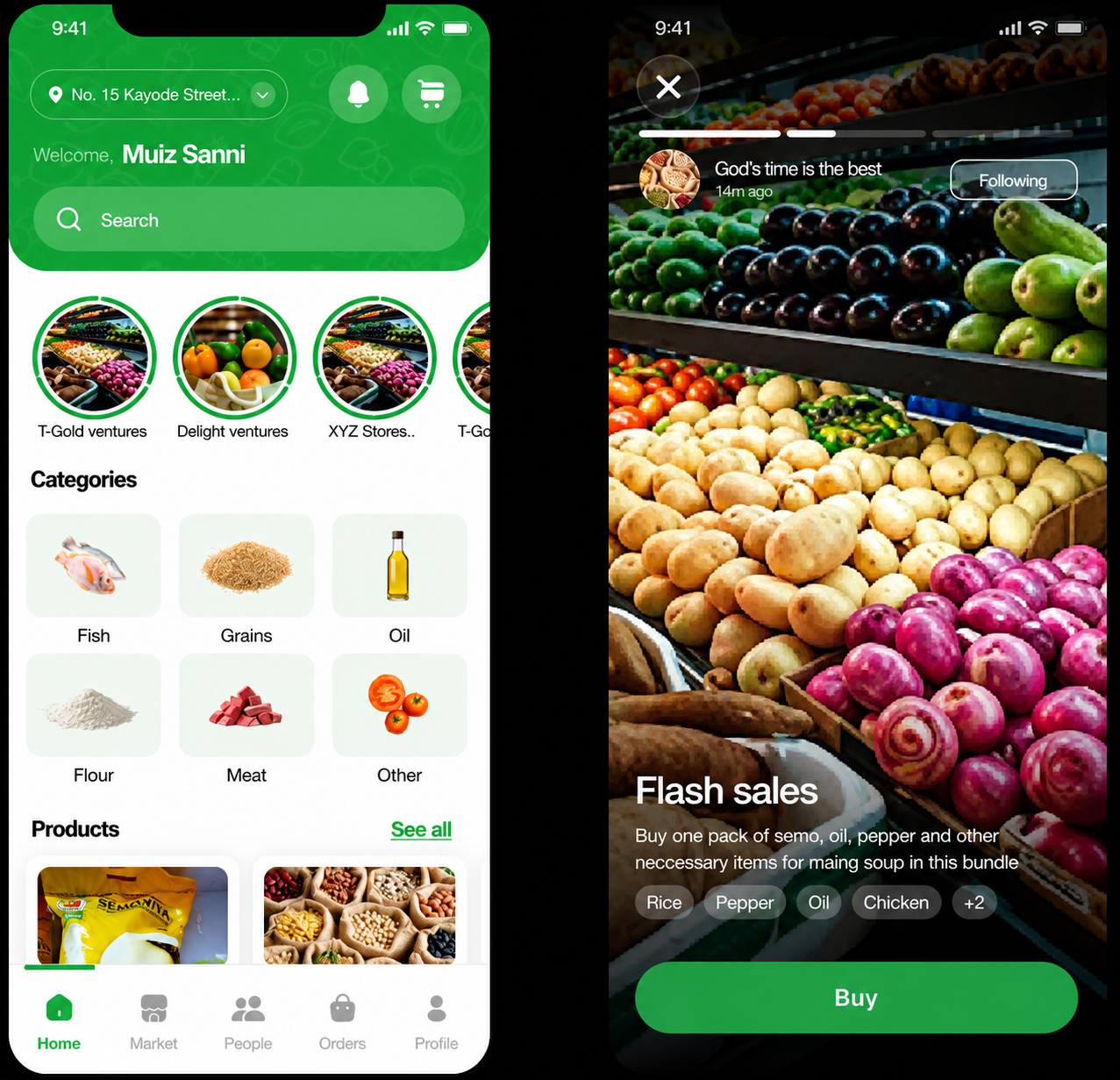
Soillight: Pioneering the Future of Grocery Shopping with Live Buying
Live Shopping
The way people shop for groceries is changing, and Soillight is proud to be leading that transformation. As the first platform to introduce Live Grocery Buying, we're redefining how consumers discover, purchase, and connect with fresh food.
More Than Shopping; It's a Connection Imagine joining a live session where farmers, vendors, and food producers showcase their freshest fruits, vegetables, pantry staples, and specialty products in real time. You can see the quality, ask questions instantly, receive expert recommendations, and purchase on the spot, all from the comfort of your home. That's the Soillight experience. It works similar to Whatsapp Stories.
Traditional online grocery shopping often relies on static images and product descriptions. At Soillight, we believe food deserves a more interactive experience. Live buying brings transparency, trust, and engagement by allowing customers to interact directly with sellers before making a purchase.
Whether you're looking for freshly harvested produce, premium ingredients, or everyday essentials, Soillight gives you confidence in every order.
Why Live Grocery Buying Matters
- See products in real time before you buy.
- Ask questions instantly and get immediate answers from trusted sellers.
- Discover exclusive deals available only during live sessions.
- Support local farmers and vendors through direct engagement.
- Enjoy a more informed and enjoyable shopping experience.
- Leading Innovation in Grocery Commerce
Innovation begins with bold ideas, and Soillight is setting a new standard for digital grocery retail. By pioneering Live Grocery Buying, we're creating a marketplace where technology meets transparency, convenience meets community, and every purchase becomes a more engaging experience.
This isn't just another way to shop—it's the future of grocery commerce.
Join the Movement
The future of grocery shopping is live, interactive, and customer-focused. Be among the first to experience a smarter, more connected way to shop with Soillight.
Soillight isn't just changing how groceries are sold, we're changing how people experience grocery shopping. Welcome to the future of Live Grocery Buying.
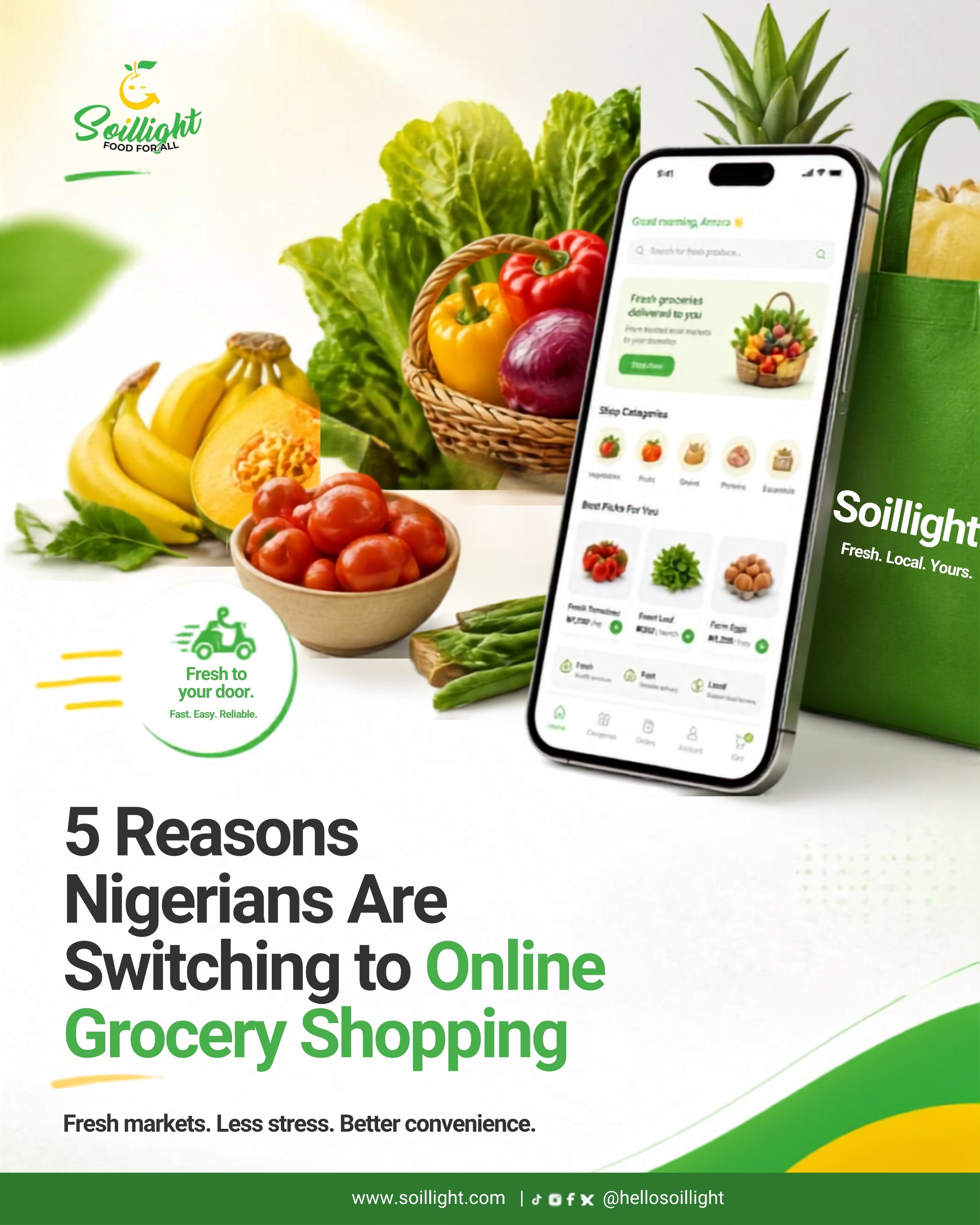
Why More Nigerians Are Switching to Online Grocery Shopping
Grocery shopping in Nigeria has always meant early mornings, crowded stalls, and hours spent haggling for fresh produce. But that's changing fast. Across Lagos, Abuja, Port Harcourt, and beyond, more Nigerians are choosing online grocery shopping over the traditional market trip — and the data shows this shift is only accelerating. This article breaks down exactly why online grocery shopping in Nigeria is growing so quickly, what's driving the trend, and how platforms like Soillight are making the switch easier without cutting local market sellers out of the picture.
The Numbers Behind Nigeria's Online Grocery Shopping Boom
Nigeria's e-commerce market was valued at roughly $10.49 billion in 2026 and is forecast to reach $18.68 billion by 2031, growing at a compound annual rate of over 12% — one of the fastest growth rates in Africa. Mobile commerce already accounts for more than four out of every five online orders in the country, and smartphones alone made up over 82% of all e-commerce transactions in 2025. That mobile-first shift matters directly for groceries: ordering fresh produce, grains, meat, and household essentials from a phone is no longer a novelty — it's becoming the default for busy, connected Nigerian households.
1. Online Grocery Shopping Saves Time
Between work, family, and Lagos or Abuja traffic, few people have hours to spend navigating a busy market. Online grocery shopping lets you order fresh fruits, vegetables, grains, and household essentials in minutes, from wherever you are — no traffic, no queues, no wasted afternoons. For working professionals and parents juggling multiple responsibilities, this time saving is often the single biggest reason for the switch.
2. Access to Fresh, Quality Produce — Without the Market Trip
A common myth is that online groceries can't match market freshness. In reality, platforms like Soillight source directly from trusted local market sellers, meaning the same quality you'd hand-pick yourself — just delivered to your door instead. This matters more than most shoppers realize. Nigeria's post-harvest loss for fruits and vegetables is estimated at 50% or higher, according to the Nigerian Stored Products Research Institute (NSPRI), largely due to storage, handling, and transportation gaps between farm and final buyer. A tighter, more direct path from local seller to customer — the kind digital marketplaces enable — helps reduce the handling delays that cause spoilage in the first place.
3. Trusted Local Sellers, Not Anonymous Warehouses
Unlike faceless supermarket supply chains, Soillight connects customers directly with known market traders. You're not buying from a stranger — you're supporting the same sellers who have served Nigerian communities for years, now made accessible online.
4. Transparent Pricing Beats Market Haggling
Digital marketplaces make it easier to compare prices, spot deals, and avoid the price inflation that sometimes comes with haggling as a first-time or unfamiliar buyer. What you see is what you pay — a meaningful shift for shoppers who've historically paid a “newcomer premium” at unfamiliar stalls.
5. Every Order Supports Nigeria's Growing Digital Economy
Every online grocery order is part of a bigger shift — one where local commerce and technology work together rather than compete. By shopping online through platforms built around local sellers, customers help traditional traders grow their businesses beyond their physical stalls, strengthening local food supply chains in the process.
Is Online Grocery Shopping Safe and Reliable in Nigeria?
Safety and reliability are the two biggest hesitations for first-time online grocery shoppers in Nigeria — and reasonably so, given the market's historical reliance on cash-on-delivery and in-person trust. The good news: platforms that vet their sellers, publish ratings, and offer delivery tracking directly address both concerns. Rising digital wallet adoption, projected to reach 22% of transaction value by 2027, and improving agent networks are also steadily reducing Nigeria's historic trust gap with online payments.
What to Look for in a Grocery Delivery App in Nigeria
Not every online grocery platform is built the same way, and the difference shows up in freshness, reliability, and price. Before choosing where to shop, it's worth checking for a few specific things:
- Verified sellers — the platform should clearly vet who it lists, not just aggregate listings from anywhere.
- Transparent pricing — prices should be visible upfront, without hidden fees added at checkout.
- Delivery tracking — you should be able to see order status in real time, not just wait and hope.
- Flexible payment options — including cash on delivery for shoppers not yet comfortable paying online.
- Clear return or resolution policy — for the rare cases where an order doesn't meet expectations.
Platforms that check all five boxes tend to earn repeat customers quickly, because the biggest barrier to online grocery adoption in Nigeria has never been interest — it's trust. Solve for trust, and convenience takes care of the rest.
KEY TAKEAWAYS
1. Online Grocery Shopping Saves Time
Between work, family, and Lagos or Abuja traffic, few people have hours to spend navigating a busy market. Online grocery shopping lets you order fresh fruits, vegetables, grains, and household essentials in minutes, from wherever you are — no traffic, no queues, no wasted afternoons. For working professionals and parents juggling multiple responsibilities, this time saving is often the single biggest reason for the switch.
2. Access to Fresh, Quality Produce — Without the Market Trip
A common myth is that online groceries can't match market freshness. In reality, platforms like Soillight source directly from trusted local market sellers, meaning the same quality you'd hand-pick yourself — just delivered to your door instead. This matters more than most shoppers realize. Nigeria's post-harvest loss for fruits and vegetables is estimated at 50% or higher, according to the Nigerian Stored Products Research Institute (NSPRI), largely due to storage, handling, and transportation gaps between farm and final buyer. A tighter, more direct path from local seller to customer — the kind digital marketplaces enable — helps reduce the handling delays that cause spoilage in the first place.
3. Trusted Local Sellers, Not Anonymous Warehouses
Unlike faceless supermarket supply chains, Soillight connects customers directly with known market traders. You're not buying from a stranger — you're supporting the same sellers who have served Nigerian communities for years, now made accessible online.
4. Transparent Pricing Beats Market Haggling
Digital marketplaces make it easier to compare prices, spot deals, and avoid the price inflation that sometimes comes with haggling as a first-time or unfamiliar buyer. What you see is what you pay — a meaningful shift for shoppers who've historically paid a “newcomer premium” at unfamiliar stalls.
5. Every Order Supports Nigeria's Growing Digital Economy
Every online grocery order is part of a bigger shift — one where local commerce and technology work together rather than compete. By shopping online through platforms built around local sellers, customers help traditional traders grow their businesses beyond their physical stalls, strengthening local food supply chains in the process.
Is Online Grocery Shopping Safe and Reliable in Nigeria?
Safety and reliability are the two biggest hesitations for first-time online grocery shoppers in Nigeria — and reasonably so, given the market's historical reliance on cash-on-delivery and in-person trust. The good news: platforms that vet their sellers, publish ratings, and offer delivery tracking directly address both concerns. Rising digital wallet adoption, projected to reach 22% of transaction value by 2027, and improving agent networks are also steadily reducing Nigeria's historic trust gap with online payments.
What to Look for in a Grocery Delivery App in Nigeria
Not every online grocery platform is built the same way, and the difference shows up in freshness, reliability, and price. Before choosing where to shop, it's worth checking for a few specific things:
- Verified sellers — the platform should clearly vet who it lists, not just aggregate listings from anywhere.
- Transparent pricing — prices should be visible upfront, without hidden fees added at checkout.
- Delivery tracking — you should be able to see order status in real time, not just wait and hope.
- Flexible payment options — including cash on delivery for shoppers not yet comfortable paying online.
- Clear return or resolution policy — for the rare cases where an order doesn't meet expectations.
Platforms that check all five boxes tend to earn repeat customers quickly, because the biggest barrier to online grocery adoption in Nigeria has never been interest — it's trust. Solve for trust, and convenience takes care of the rest.
- Nigeria's e-commerce market is growing at over 12% annually, with mobile devices driving more than 80% of online orders.
- Online grocery shopping saves time by removing the need for market travel, queues, and haggling.
- Platforms sourcing from verified local sellers can match — and in some cases improve — freshness compared to informal supply chains.
- Nigeria loses an estimated 50%+ of fruits and vegetables to post-harvest spoilage; more direct seller-to-customer paths help reduce this.
- Transparent, fixed pricing removes the guesswork and “newcomer premium” common in physical markets.
- Every order placed through a local-seller marketplace like Soillight supports Nigeria's traditional traders, not just its digital economy.
FREQUENTLY ASKED QUESTIONS
Is online grocery shopping safe in Nigeria?
Yes. Platforms like Soillight work with verified local market sellers and provide delivery tracking, making transactions secure and reliable.
Is online grocery shopping cheaper than the market? Prices are typically comparable to market rates, with the added benefit of transparent pricing and no haggling required.
What can I buy on Soillight?
Fresh fruits, vegetables, grains, meat, seafood, and everyday household essentials — sourced from trusted local market sellers.
How fast is delivery for online grocery orders in Nigeria?
Delivery windows vary by seller and location, but same-day and next-day delivery are increasingly standard for major cities like Lagos and Abuja.
Do I need to pay online, or can I pay on delivery?
Most platforms, including Soillight, support multiple payment options, including cash on delivery, for shoppers who aren't yet comfortable paying online.
Will online grocery shopping replace Nigeria's markets?
No — it extends them. Digital platforms give local sellers a wider reach while physical markets continue to serve their communities directly.
Can I order in bulk for a family or event?
Yes, most grocery marketplaces support bulk ordering, and some sellers offer better per-unit pricing for larger orders.
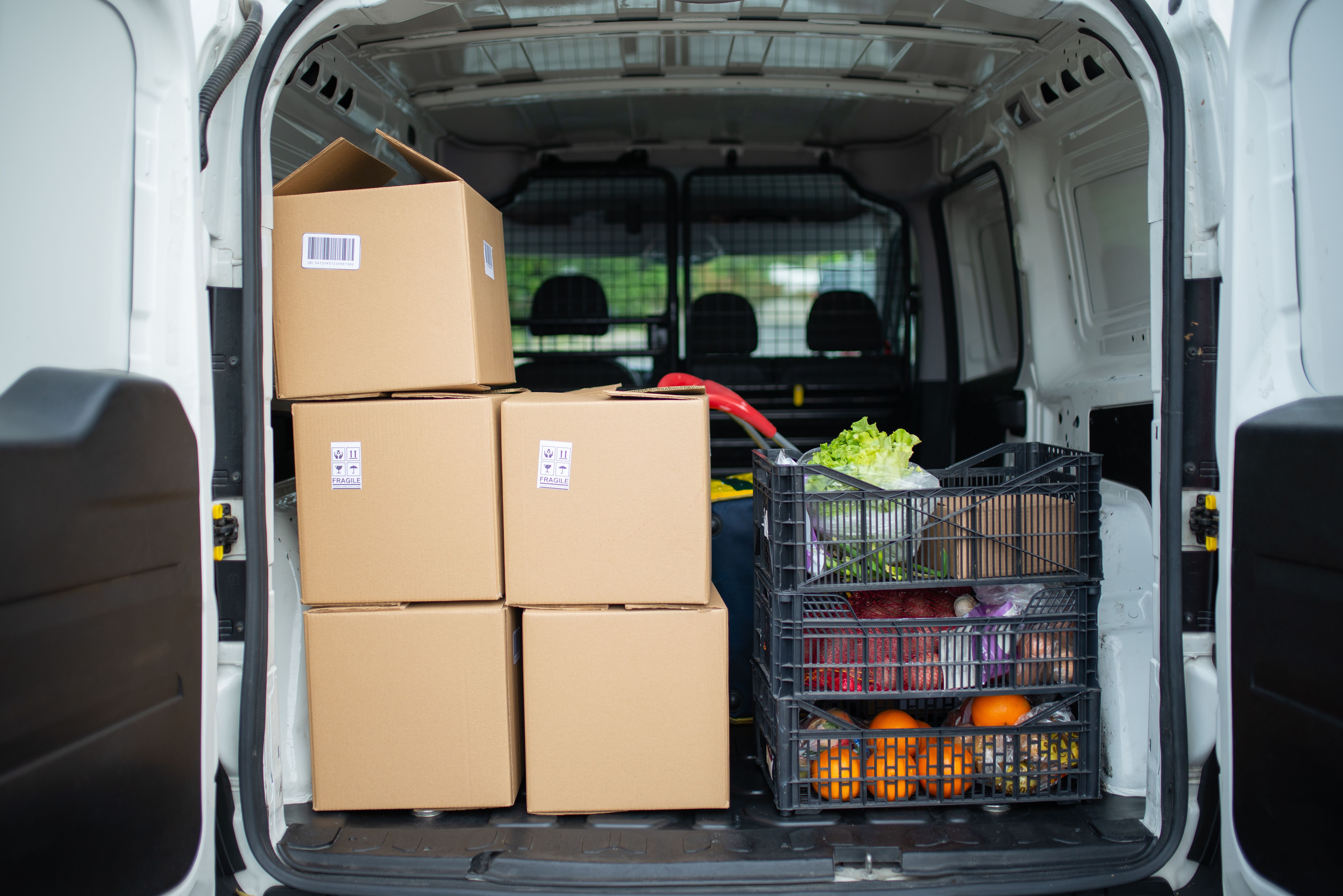
An Overview of Soillight's Marketplace | Online Grocery Shopping in Nigeria
The way people shop for groceries in Nigeria is changing, and Soillight is helping to lead that transformation.
Soillight is a digital marketplace that connects customers with trusted local market sellers, making it easier to buy fresh groceries and household essentials online. By bringing traditional markets into the digital space, Soillight creates opportunities for both shoppers and sellers to benefit from a more convenient and efficient shopping experience.
For customers, Soillight provides access to a wide range of products, including fresh fruits, vegetables, grains, meat, seafood, and other everyday essentials. Instead of spending hours navigating busy markets, shoppers can browse products, place orders, and have their groceries delivered to their doorstep.
For sellers, Soillight offers a platform to reach more customers beyond their physical market locations. Through the marketplace, traders can showcase their products, increase visibility, and grow their businesses in Nigeria's expanding digital economy.
What makes Soillight unique is its commitment to supporting local businesses while delivering convenience to modern consumers. By connecting buyers and sellers through technology, the platform helps strengthen local food supply chains and creates new opportunities for growth.
As online grocery shopping continues to gain popularity, Soillight's marketplace is helping bridge the gap between traditional commerce and digital innovation, making grocery shopping easier for customers and business growth more accessible for market sellers.
Whether you're looking to shop for fresh groceries or expand your reach as a seller, Soillight provides a marketplace designed to meet the needs of Nigeria's evolving retail landscape.
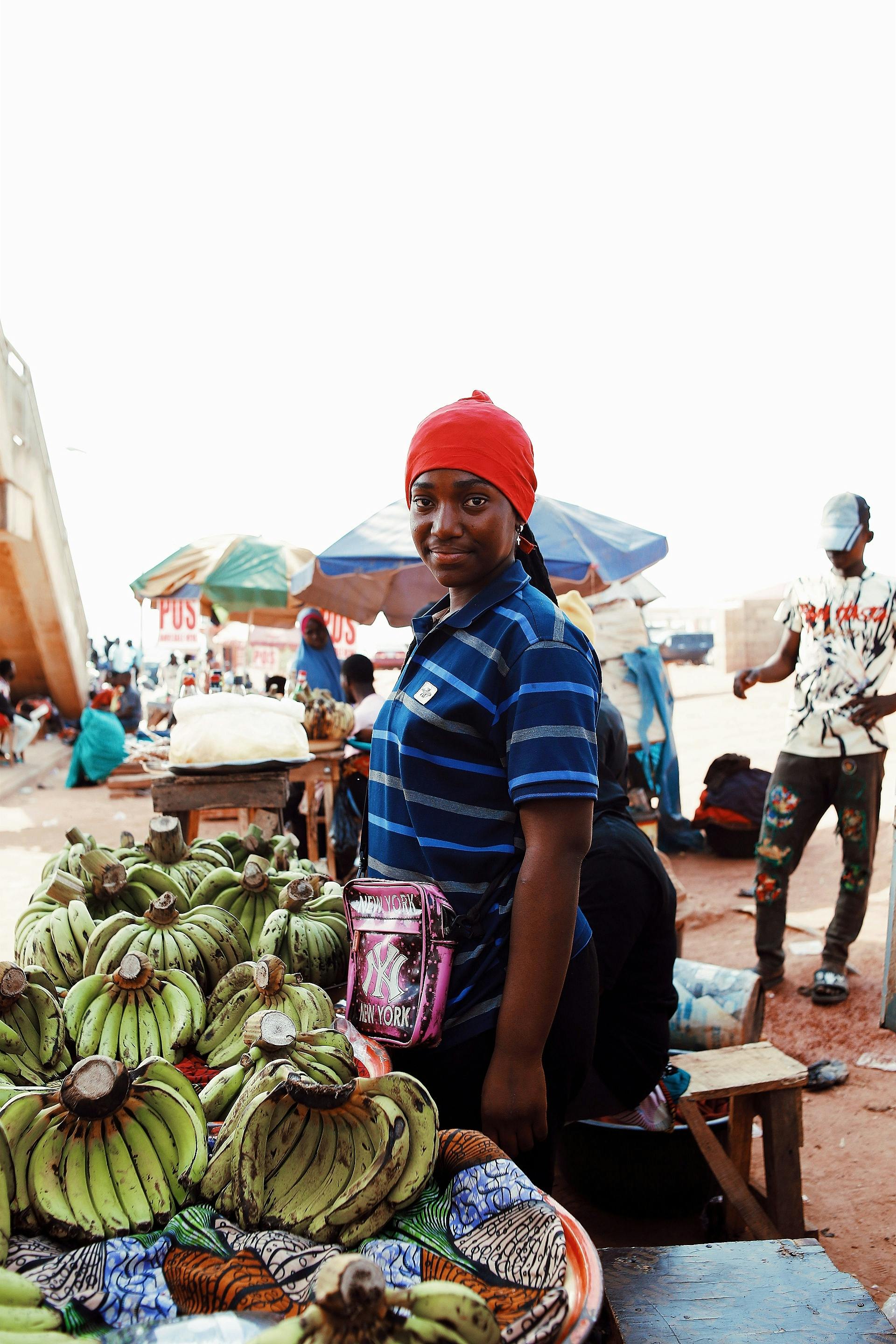
Local Food Market on the Rise: How Soillight Helps Nigerian Market Sellers Grow Online
As online grocery delivery in Nigeria continues to grow, local market sellers are finding new ways to reach customers beyond traditional market spaces. More consumers now prefer the convenience of ordering fresh food, groceries, and household essentials online, creating new opportunities for traders to expand their businesses.
This shift is transforming how people buy and sell food and Soillight is helping local market sellers lead the way.
How Soillight Is Empowering Local Market Sellers in Nigeria
Soillight is a grocery delivery app in Nigeria that connects customers with trusted local market sellers. By bringing traditional markets online, the platform enables traders to showcase their products, reach more buyers, and grow their businesses without the need for additional physical locations.
For many sellers, visibility is one of the biggest barriers to growth. A trader may offer quality products but only reach customers who visit the market. Through Soillight's digital marketplace, sellers can connect with customers across their city and beyond, increasing their chances of generating more orders and repeat business.
Helping Sellers Grow Through Digital Commerce
The rise of e-commerce has changed consumer expectations. Shoppers want convenience, speed, and access to fresh products at the touch of a button.
Soillight helps local market sellers meet these demands by providing a platform where customers can easily discover and order groceries online. This digital access allows sellers to:
- Reach more customers
- Increase sales opportunities
- Build customer loyalty
- Expand their market presence
- Grow their businesses sustainably
Instead of relying solely on foot traffic, traders can now participate in Nigeria's growing digital economy.
Supporting Fresh Food Delivery Across Nigeria
Fresh food delivery is becoming an important part of modern retail. Customers want easy access to fresh fruits, vegetables, grains, meat, seafood, and other essential groceries without the stress of visiting busy markets.
By connecting local market sellers directly with customers, Soillight helps make fresh food delivery more accessible while ensuring traders remain at the centre of the value chain.
This creates a win-win solution: customers enjoy convenience, while sellers gain access to new revenue opportunities.
Strengthening Local Economies Through Technology
When local market sellers succeed, entire communities benefit. Increased sales support traders, farmers, suppliers, and other small businesses that contribute to Nigeria's food ecosystem.
By helping sellers sell groceries online and reach a wider audience, Soillight is not only driving business growth but also contributing to local economic development.
The Future of Food Retail in Nigeria
The future of Nigeria's food market is both local and digital. Traditional markets remain essential, but technology is creating new ways for sellers to connect with customers and grow their businesses.
Soillight is helping bridge the gap between traditional commerce and modern convenience, empowering local market sellers to compete, thrive, and scale in a rapidly evolving marketplace.
As demand for online grocery shopping continues to rise, sellers who embrace digital platforms will be better positioned to succeed and unlock new opportunities for growth.
Frequently Asked Questions:
- What is Soillight?
Soillight is a Nigerian grocery delivery app that connects customers with trusted local market sellers, making it easier to shop for fresh groceries and household essentials online.
- How does Soillight help local market sellers?
Soillight helps sellers increase visibility, reach more customers, receive more orders, and grow their businesses through a digital marketplace.
- Why is online grocery delivery growing in Nigeria?
Consumers increasingly value convenience, faster shopping experiences, and access to fresh food delivery services, driving demand for online grocery platforms across Nigeria.
- Can local traders sell groceries online through Soillight?
Yes, Soillight provides local market sellers with a platform to showcase products and connect with customers looking for convenient online grocery shopping options.